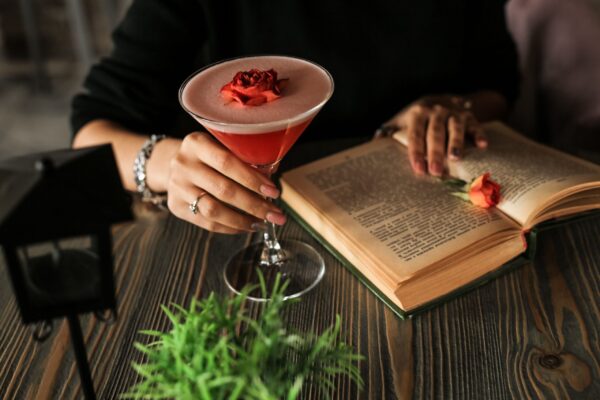
A good book and a well-made cocktail create a special kind of evening. Some readers enjoy coffee with a novel, while others reach for something stronger. When a character orders a drink on the page, the moment feels vivid and close. Recreating that same drink at home adds another layer to the experience and brings the story into real life.
Writers have long connected storytelling with drinks. Bars, quiet rooms, and late-night conversations often shape key scenes, and cocktails become part of the atmosphere. In this guide, you will find nine cocktails linked to well-known books and characters. Each one reflects a person, a place, and a specific moment in a story.
9 Cocktails Loved by Literary Characters
These drinks come from different genres and eras, yet each one ties directly to a character and their world. As you move through the list, you can picture the setting, follow the character, and understand why the drink fits the scene.
Brandy Alexander — James Bond, For Your Eyes Only by Ian Fleming
James Bond orders a Brandy Alexander during a mission in Venice. He uses the drink as a signal during a meeting, giving the choice purpose. The smooth blend of brandy, cream, and cocoa liqueur matches the city’s refined atmosphere and Bond’s composed style.
Vesper — James Bond, Casino Royale by Ian Fleming
In his first novel appearance, Bond creates and orders the Vesper. He describes the recipe with precision and treats the drink as his own invention. The strong blend of gin, vodka, and aromatized wine reflects his confidence and attention to detail, while the name connects to Vesper Lynd, a key figure in the story.
Whiskey Sour — Oedipa Maas, The Crying of Lot 49 by Thomas Pynchon
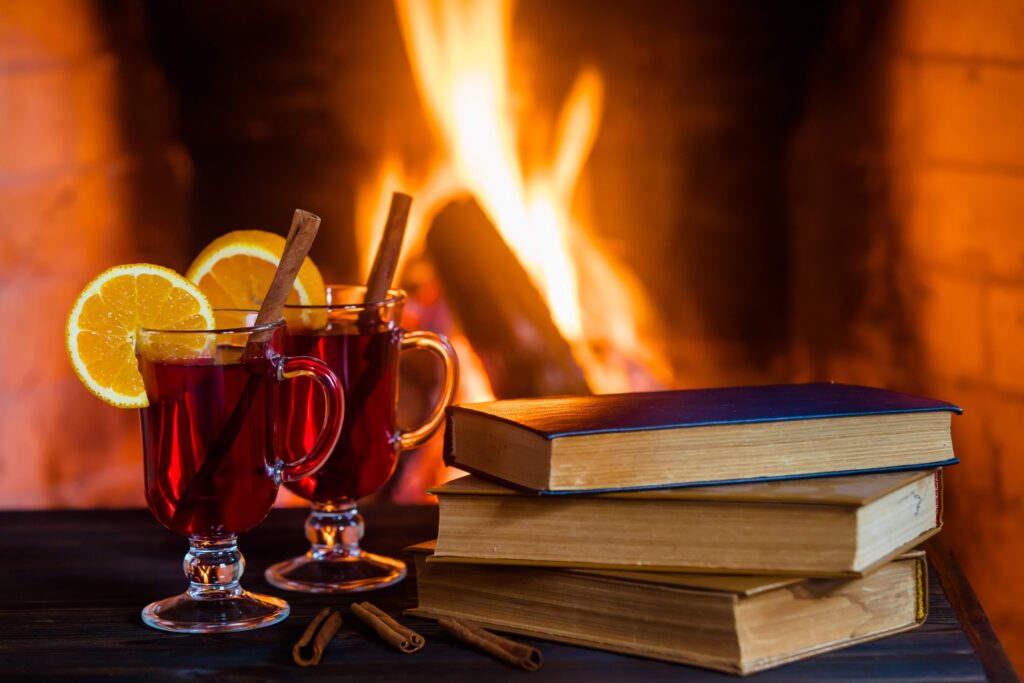
Oedipa prepares whiskey sours at home as she goes through her daily routine. The drink appears in a quiet domestic setting, where small actions reveal deeper thoughts and patterns. The balance of sweet and sour flavors mirrors the tone of her life at that moment.
Gimlet — Philip Marlowe, The Long Goodbye by Raymond Chandler
Private detective Philip Marlowe shares a gimlet with Terry Lennox in a bar. The drink becomes part of their growing connection. With its simple mix of gin and lime, the gimlet reflects Marlowe’s direct and grounded character, while the conversation adds emotional weight to the scene.
Gin Fizz — Dr. Thomas More, Love in the Ruins by Walker Percy
Dr. Thomas More drinks gin fizzes during an intense evening with his partner. The cocktail feels light and refreshing, yet the moment grows more complex as the night continues. The contrast highlights his personal struggles and his attempt to manage them.
Gin and Tonic — Narrator, High Windows by Philip Larkin
In the poem “Sympathy in White Major,” the narrator carefully prepares a gin and tonic. Each step receives attention, from the ice to the final pour. The drink becomes part of a reflective moment, where small details shape the mood.
Beer Milkshake — Doc, Cannery Row by John Steinbeck
Doc, a thoughtful and curious character, becomes fascinated with the idea of mixing beer and a milkshake. He keeps returning to the idea and wonders how it might taste. The drink reflects his curiosity and his willingness to explore unusual combinations.
Wine Spodiodi — Sal Paradise and Dean Moriarty, On the Road by Jack Kerouac
Sal and Dean encounter the wine spodiodi during their travels. The drink combines wine and whiskey in a bold sequence, matching the restless energy of their journey. It fits the spirit of movement and spontaneity that defines their story.
Whiskey and Soda — Holden Caulfield, The Catcher in the Rye by J. D. Salinger
Holden Caulfield orders a whiskey and soda in a New York bar while trying to appear older. The simple drink reflects his attempt to step into an adult world. The moment captures his uncertainty and his desire to shape his own identity.
Literary cocktails offer a simple way to connect with stories through taste and atmosphere. Each drink ties to a character and a specific moment, which helps bring the narrative closer. You can prepare one of these cocktails, open the matching book, and enjoy both together.
This idea also invites creativity. You can explore other books, find drinks within their pages, and build your own collection of pairings. Over time, these small rituals turn reading into a richer, more engaging experience you can share with others.
Comments are closed